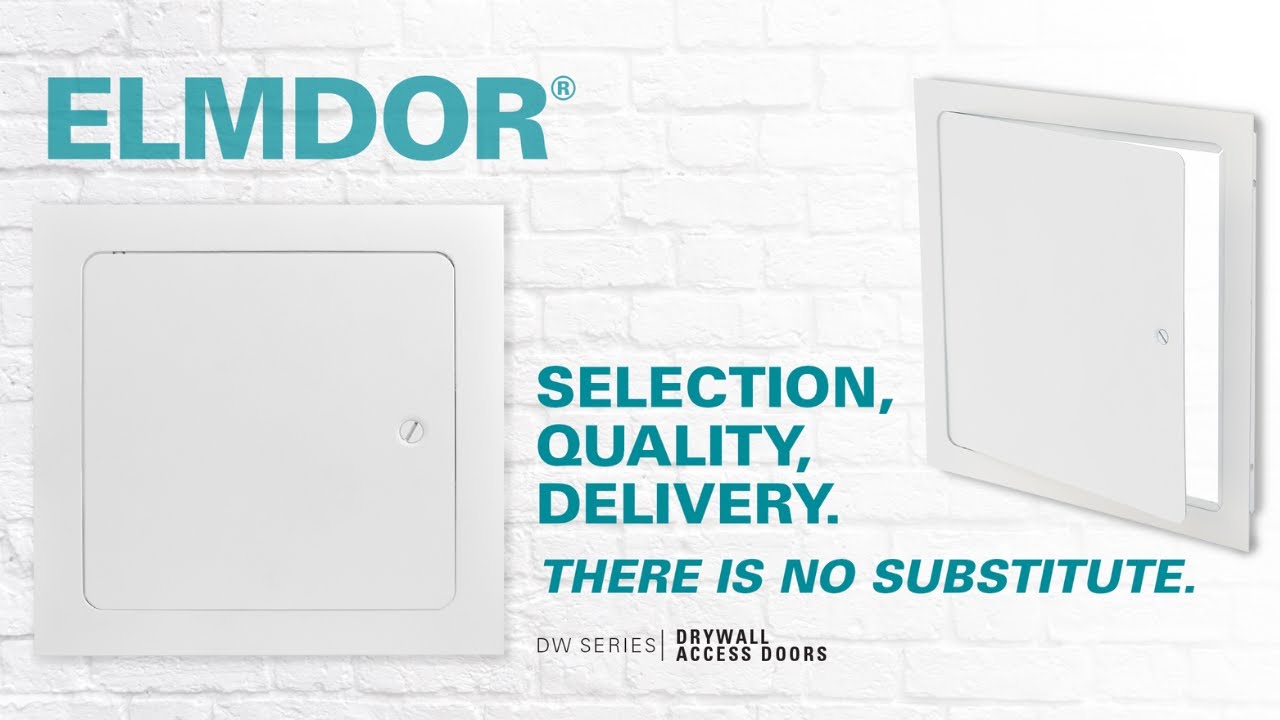
Mastering drywall access panel installation lets you easily access essential plumbing and electrical systems in your home. Initially, gather the right tools like a drywall saw, utility knife, and level. Choose the appropriate panel based on location and access needs. Measure and mark the wall accurately before cutting the drywall. After cutting, secure the panel snugly to guarantee a flush fit. Finish the project with caulk and paint to create a seamless look. With attention to detail and the right techniques, you'll achieve a professional finish. Keep going to uncover tips on maintenance and where to find quality panels.
Key Takeaways
- Understand access panel types and select the appropriate material and size for your installation needs.Use essential tools like a drywall saw and measuring tape to ensure precise cuts and measurements.Mark the installation area accurately, checking for plumbing or electrical interference before cutting the drywall.Securely fasten the access panel, ensuring it is flush with the wall for a seamless appearance.
Understanding Access Panels
Access panels are important for providing easy entry to plumbing, electrical, or HVAC systems hidden behind drywall. Understanding these drywall access panels is significant for any homeowner or contractor. They come in different sizes and styles, allowing you to choose the right fit for your specific needs.
When considering installation techniques for drywall access panels, you must initially identify the location and type of access required. Make certain you have enough clearance for the panel and that it aligns with the system you need to access. Mark the area carefully before cutting, guaranteeing a precise fit.
To learn how to install a drywall access panel securely, follow these steps: cut the drywall to size, insert the panel into the opening, and fasten it according to the manufacturer's instructions. Use screws or adhesive, depending on the type of panel. It's important to confirm the panel is flush with the surrounding wall for an unobtrusive finish.
Tools Required for Installation
To install a drywall access panel, you'll need a few crucial tools to get the job done right.
Don't forget to contemplate safety equipment, as protecting yourself is just as significant as the installation process.
Let's take a closer look at what you'll need to guarantee a smooth and safe installation.
Essential Tools Needed
Having the right tools on hand is crucial for a successful drywall access panel installation. You'll want to gather specific tools to make the process efficient and straightforward. Here's a quick breakdown of what you'll need:
Tool Purpose Drywall saw To cut the drywall accurately Utility knife For fine cuts and trimming Measuring tape To guarantee precise measurements Level To check the panel's alignment Screwdriver or drill For fastening the panel securelyThese tools will help you achieve https://masterbuildingmaterials.com/ clean and professional results. A drywall saw is perfect for cutting the opening, while a utility knife will help you make any necessary adjustments. Measuring tape guarantees your cut is precise, and a level will keep your panel straight. Ultimately, a screwdriver or drill is crucial for securing the panel in place. Confirm you've got everything ready before you start, and you'll find the installation process goes much smoother. Don't forget to check out Master Building Materials for all these key tools!
Safety Equipment Considerations
Before you start the installation, don't overlook the importance of safety equipment to protect yourself while working with drywall.
Initially, grab a pair of safety goggles to shield your eyes from dust and debris. You wouldn't want anything getting in your eyes while you're cutting or drilling.
Next, invest in a good pair of cut-resistant gloves. They'll help protect your hands from sharp edges and tools. This simple precaution can save you from painful injuries.
Furthermore, consider wearing a dust mask. Working with drywall can create a lot of fine dust, which can be harmful when inhaled.
Also, don't forget about sturdy work boots. A pair with slip-resistant soles will help keep you steady on your feet, especially when maneuvering ladders or uneven surfaces.
Choosing the Right Panel
Selecting the right access panel is crucial for ensuring functionality and aesthetics in your drywall installation. Start by considering the location and purpose of the panel. If you need frequent access to plumbing or electrical systems, choose a panel that's easy to open and close. For less-used areas, a more decorative option might suffice.
Next, look at the material. Metal panels are durable and ideal for commercial settings, while plastic panels can be lighter and simpler for residential use. Think about the finish, too; a textured finish can help blend the panel into the surrounding wall, while a smooth finish might stand out more.
Measure the opening carefully. You'll want a panel that fits snugly to avoid gaps that could affect energy efficiency.
Moreover, check the frame type; some panels come with a frame for added stability, while others are designed for a flush mount.
Preparing the Wall
To guarantee a successful access panel installation, you'll need to prepare the wall by clearing any obstacles and evaluating the area where the panel will go. Start by removing any furniture, wall decor, or anything that might hinder your work. This clear space not only improves your efficiency but also guarantees you can work safely.
Next, take a moment to assess the wall itself. Look for any potential issues like plumbing or electrical wires, as hitting these can cause significant problems later.
Here's a quick table to help you visualize the importance of preparation:
Step Importance Emotional Outcome Clear Obstacles Provides a safe workspace Reduces stress Assess Wall Prevents costly mistakes Increases confidence Gather Tools Raises efficiency Brings peace of mind Take Your Time Secures accuracy Fosters satisfactionMarking the Installation Area
Marking the installation area accurately guarantees a precise fit for your access panel, making the process smoother and more efficient. To get started, you'll need a few crucial tools and a clear plan.
Choose the Right Location: Confirm the area you select is easily accessible and free from obstructions like plumbing or electrical wiring. Double-check the panel's dimensions against your wall space. Use a Level and Measuring Tape: Measure the height and width of the area where you want to install the panel. Mark the corners with a pencil, and use a level to draw straight lines connecting the marks. This helps confirm your panel fits properly.Cutting the Drywall
Cut the drywall along the marked lines using a utility knife for a clean and precise opening. Start by scoring the surface lightly, ensuring you don't cut too deep initially. Once you've made a solid score, press down on the knife to cut through the paper backing. This method helps prevent jagged edges and allows for a smoother finish.
As you cut, use a straight edge or a T-square to guide your knife, keeping your cuts straight and aligned. If you encounter any resistance, double-check that you're following your marked lines accurately. For larger panels, consider using a drywall saw to help with the more intricate cuts, especially around electrical boxes or plumbing.
Be mindful of your surroundings during this process. Make sure you're wearing safety goggles to protect your eyes from dust and debris.
After cutting, gently push the drywall piece inward to break the paper backing completely. Remove the cut piece carefully to avoid damaging surrounding drywall. Finally, take a moment to clean up the area, as this will make the next steps of your installation much easier and more efficient.
Installing the Access Panel
Position the access panel into Universal Access Panels the opening, guaranteeing it fits snugly against the surrounding drywall for a seamless installation. You want to make certain there are no gaps that could interfere with the panel's functionality or aesthetic appeal.
Once you've positioned it correctly, take a moment to verify that the panel aligns properly with the surrounding surface.
Here are three key factors to ponder during installation:
Alignment: Confirm the panel is level and straight. Use a level if necessary to verify its position. Accessibility: Reflect on the purpose of the access panel. Make sure it's in a location that allows for easy access to whatever's behind it, whether it's plumbing, electrical, or HVAC components.Securing the Panel
To secure the panel firmly in place, you'll want to use screws or adhesive, guaranteeing it remains stable and functional over time. Start by selecting the appropriate fasteners based on the type of panel and drywall. If you're using screws, place them at regular intervals around the panel's perimeter. This will distribute pressure evenly and prevent sagging.
Here's a quick reference table to help you choose the right securing method:
Fastening Method Material Type Recommended Usage Screws Metal or Plastic For heavy-duty panels Adhesive Construction Adhesive For lightweight panels Toggle Bolts Metal For hollow drywall spaces Wood Screws Wood For wooden framework Snap Clips Plastic For quick-release panelsAfter securing, double-check that the panel opens and closes smoothly. This guarantees not only functionality but also ease of access for future maintenance. By following these guidelines, your drywall access panel will be securely installed, standing the test of time. For quality materials, don't forget to check out Master Building Materials!
Finishing Touches
After securing your access panel, adding finishing touches will improve its appearance and guarantee it blends seamlessly with your drywall. These steps will confirm your installation looks professional and polished.
Caulk the Edges: Apply a thin bead of paintable caulk around the edges of the access panel. This will fill any gaps and create a smooth shift between the panel and the drywall, making it less noticeable. Sand the Surface: If there are any rough spots or excess joint compound around the panel, sand it down lightly. Use a fine-grit sandpaper to achieve a smooth finish that matches the surrounding wall.Completing these finishing touches not only improves the look of your access panel but also showcases your attention to detail.
For the best materials, visit Master Building Materials to find everything you need for a flawless installation.
Maintenance Tips
Regularly inspecting your access panel guarantees it remains functional and blends seamlessly with your drywall over time. Check for any signs of wear, such as cracks or loose hinges, which could compromise its integrity. If you notice any damage, address it immediately to prevent further issues.
Keep the panel clean by wiping it down with a damp cloth regularly. Avoid harsh chemicals that could damage the surface or finish. If the panel's paint has chipped or faded, consider repainting it to match your wall, making sure it continues to look good in your space.
Ascertain the access panel opens and closes smoothly. If it's sticking or feels loose, adjust the hinges or screws as needed. Lubricate the hinges with a silicone spray to maintain smooth operation.
Lastly, educate family members or anyone who might use the panel about its importance. Encourage them to handle it gently to avoid unnecessary wear and tear. By staying proactive with maintenance, you'll guarantee your access panel remains an efficient and aesthetic part of your drywall for years to come.
Where to Buy Panels
When you're ready to purchase access panels, search no more than Master Building Materials for a reliable selection and quality products. They offer a range of access panels suitable for different applications, ensuring you find exactly what you need for your project. Plus, their user-friendly website makes ordering a breeze.
Here are three key reasons to choose Master Building Materials:
Wide Range of Options: From insulated panels to heavy-duty choices, they've got it all, catering to diverse needs. Quality Assurance: Every product undergoes strict quality checks, ensuring that you receive durable and long-lasting panels.Shopping online at Master Building Materials also means you can read customer reviews, compare products, and access detailed specifications.
Take your time to investigate the available options and choose the panel that fits your specific requirements. With their excellent customer service, you can always reach out for help if you have questions.
Start your installation project on the right foot by sourcing your access panels from a trusted vendor!
Frequently Asked Questions
Can I Install an Access Panel in a Ceiling?
Yes, you can install an access panel in a ceiling. Just make sure you choose the right location, measure accurately, and follow the manufacturer's instructions for a secure and effective installation.
What Materials Are Commonly Used for Access Panels?
When choosing materials for access panels, you'll often find options like metal, plastic, and drywall. Each material offers different benefits, so consider your specific needs and installation environment to make the best choice.
How Do I Ensure a Snug Fit for My Panel?
To guarantee a snug fit for your panel, measure the opening accurately, adjust the frame if necessary, and use shims for stability. Tighten screws evenly around the edges to create a secure, flush installation.
Are There Different Sizes of Access Panels Available?
Yes, there are multiple sizes of access panels available. You can find them in different dimensions to fit your specific needs, so you'll want to measure your opening carefully before choosing the right one.
Can Access Panels Be Painted to Match the Wall?
Yes, you can paint access panels to match your wall. Just use a high-quality paint that adheres well to the panel material. This way, you'll create a seamless look that blends perfectly with your décor.
Conclusion
Now that you've got the fundamentals for drywall access panel installation, you're ready to tackle your project with confidence.
Remember to choose quality materials, prepare your wall properly, and follow each step for a professional finish.
With a little patience and attention to detail, you'll create functional access points that improve your space.
Don't forget to investigate Master Building Materials for the best products to make your installation smooth and successful.
Happy renovating!